Product design held to a clear standard.
We shape products people can use each day, and that stay steady for the teams who keep them.







Why Cellunent
1
We start with the work.
The product follows the work it has to do. We stay close enough to both that every part of the design traces back to something the team actually needs.
2
We talk to the people using it.
Learning early saves the build later. We would rather spend a week with the people who use it than a quarter building what everyone assumed.
3
We will say what not to build.
A crowded product is often a clear one with too much in it. We design for what comes next, and launch for what the work and the person need now.
4
We hold a clear standard.
The standard is part of the work. We keep at the product, and at ourselves, until it is clear enough to trust.
Discovery and definition
We start with the work the product has to carry, then learn what people actually need from it. What leaves the room is a scope small enough to build: the structure, the features, and the order they should arrive in.
- Audience research
- Product mapping
- A reading of the field
- Feature priority
- Product architecture
“The work held through an ordinary week. It felt like the team was in the room with us, even when they were not.”
Prototyping and validation
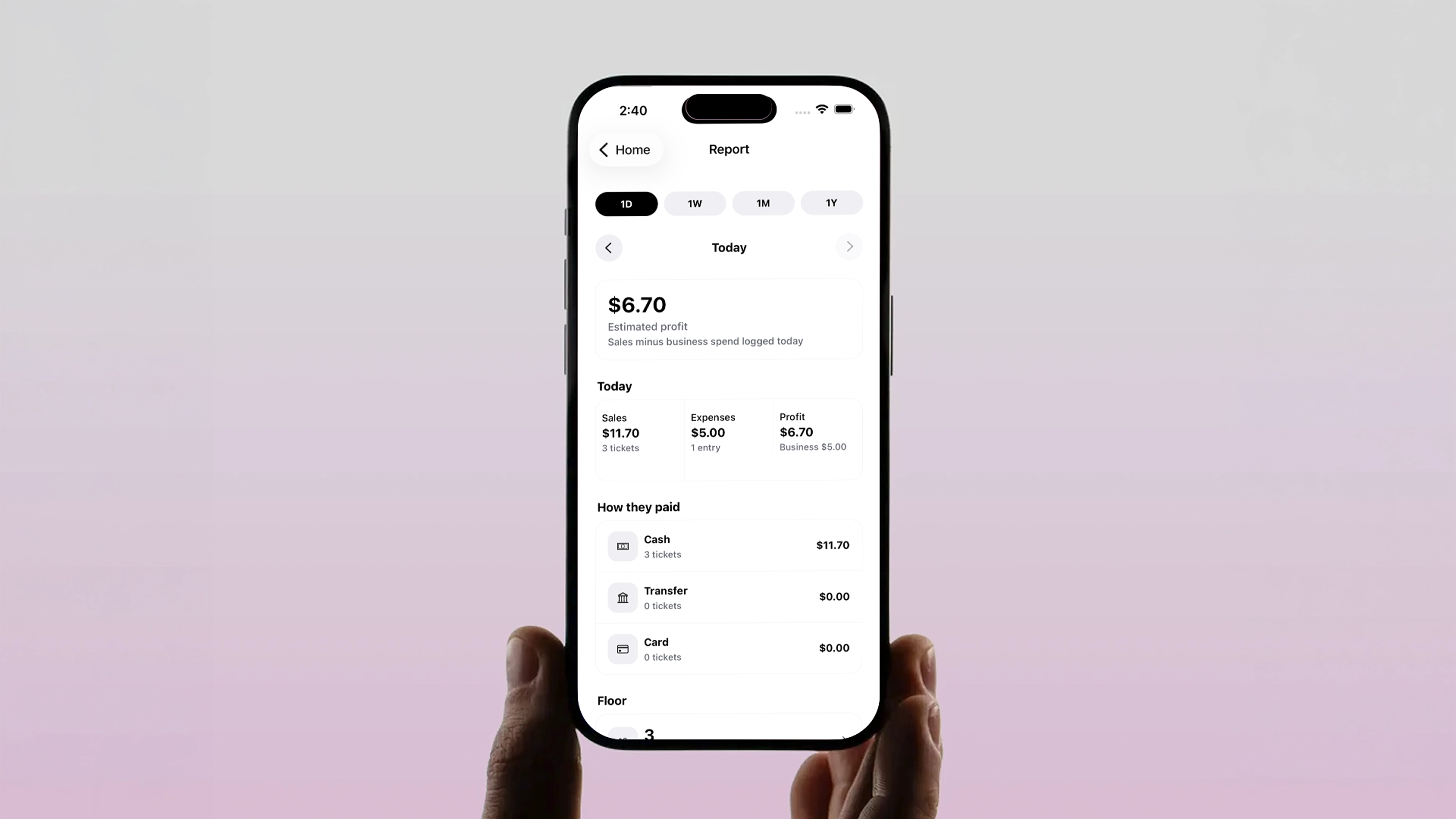
A working version answers what a deck cannot. We put it in front of the people who will use it while the design is still easy to change. What holds up becomes the plan for the first release.
- Clickable prototypes
- User testing
- Feature tradeoffs
- Estimation and planning
- A launch plan
“People open it and use it. I do not have to stand beside them and explain the day.”

Experience and strategy
A definition only matters if the product can be used. We shape the paths, the patterns, and the system so the work stays clear, and so what is designed can also be built.
- Navigation
- Interaction patterns
- Interface
- Design systems
- Accessibility
“The brand and the tools finally sit in the same place. The practice still looks like itself when the work is busy.”
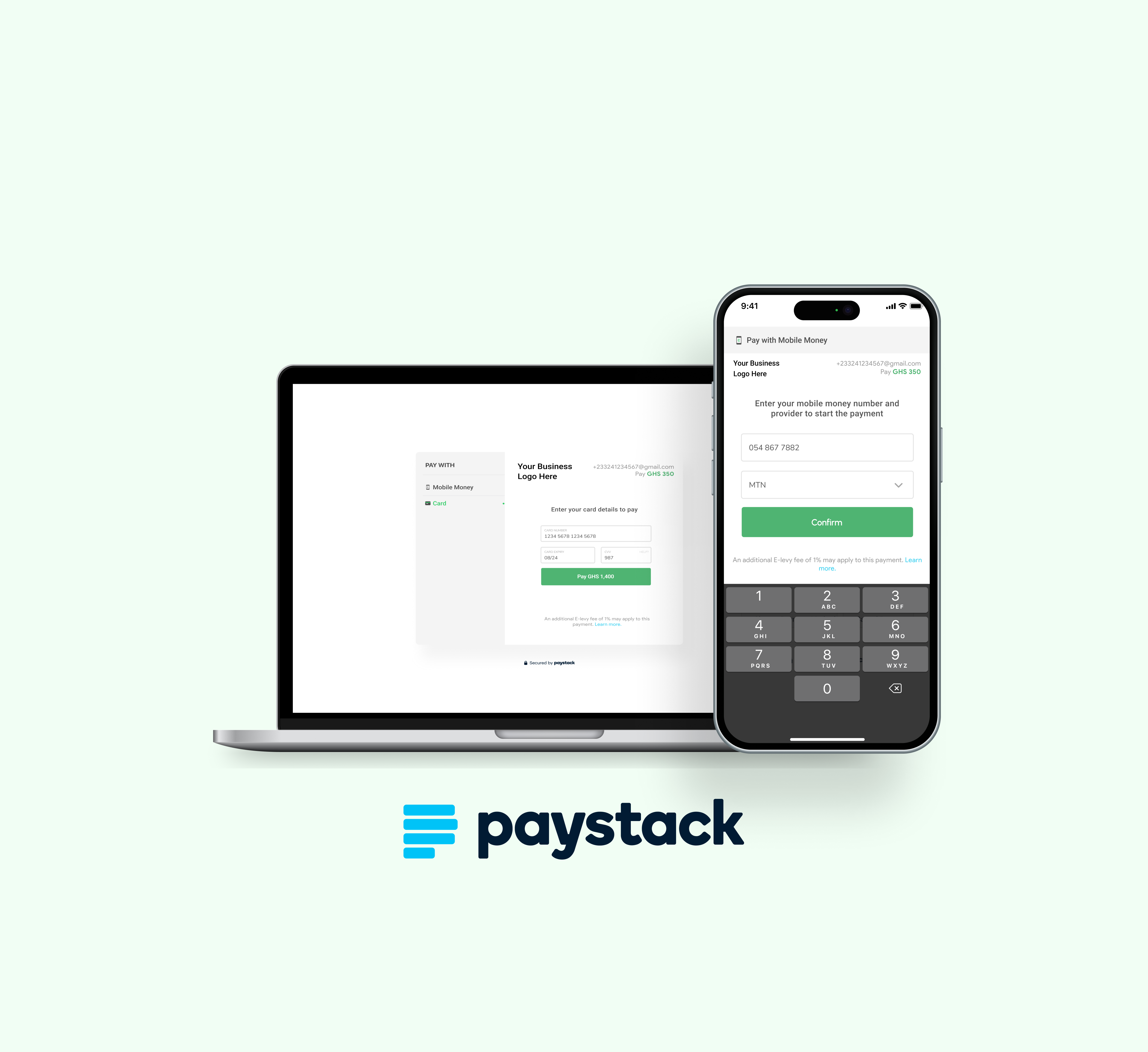
Two ways to work with us
Bring a product team to define, design, and build the work, or add design depth beside the team you already have.
A dedicated product team.
We take the product from definition through launch: the strategy, the design, and the build. You bring a sponsor, a brief, and direction. This fits when one team should own the work the whole way.
Embedded with your team.
We sit with your product group, beside the people who already build it, in the sprints and tools you use. You keep the product and the plan. This fits when the engineers are in place and the work needs design depth quickly.
A useful product does not happen by accident. It is designed with the people who will use it. We learn the work and the goal, then shape a version they can try, so what gets built has already earned its place.
We build with the best
 Vercel
 Figma
 Lovable
 Anthropic
 Linear
 GitHub
 Supabase
 Framer
 ElevenLabs
Ready to build?
A rough idea or a full brief both work. We will sort out what is worth building, then build it.
The page ends here. But the work continues.